AI 恐惧与跃进:当悲观者出走,乐观者说这是营销Pessimists walk out, optimists cry marketing: the AI debate is about interpretability, not capability
AI 悲观与乐观两派吵了几十年,真正的分歧不在技术本身,而在 LLM 的精准可解释性至今不可达——对可控性的担忧,反过来可能意味着我们严重低估了未来几年 AI 能力的跃进。The two camps have argued about AI for decades, but the technology is not what they disagree about. Precise interpretability of LLMs is still out of reach, and the resulting doubt about controllability cuts both ways: it may also mean we…
AI 悲观与乐观两派吵了几十年,真正的分歧不在技术本身,而在 LLM 的精准可解释性至今不可达——对可控性的担忧,反过来可能意味着我们严重低估了未来几年 AI 能力的跃进。
01 / 悲观阵营:从局外警示到内部出走
AI 悲观主义几十年来从未缺席,且预警者的身份在不断「内部化」:2015 年 暂停巨型 AI 实验公开信 联署,到 2023 年图灵奖得主 Hinton 离开谷歌公开示警,再到 Bengio 反复强调「我们无法控制比自己更聪明的东西」。真正的转折点是 2024 年:OpenAI 超级对齐团队(Superalignment)两位负责人 Ilya Sutskever 与 Jan Leike 相继离职,Leike 公开批评公司「安全文化已让位于光鲜产品」,团队随后解散;联合创始人 Schulman 也转投 Anthropic 追踪安全研究。当「末日预警」从局外人变成造出这波浪潮的核心建设者,悲观就不再是可轻描淡写的边缘声音。
02 / 乐观阵营:恐惧叙事与监管俘获
另一边,吴恩达在近日访谈中给出系统性反驳(中文全文):过去两三年的大量恐惧信息,根源是少数头部公司借「监管俘获」塑造不公平竞争——花几十亿美元训练的模型,当然不希望别人免费开放替代品;把 AI 类比核武器「毫无事实基础」。他的论据落在实证上:把工作拆成任务,AI 大约能做 30%–40%,剩余部分与之互为互补品;受冲击最大的软件工程,职位需求反而在上升。他提出「人类的上下文优势」——多年积累的隐性知识没有管道输送给模型,这是判断力与品味的技术本质。LeCun 与 Andreessen 走得更远:前者认为 LLM 只是台阶而非终点、存在性风险被高估;后者直接断言「AI 将拯救世界」。
03 / 分歧的真正源头:可解释性不可达
把两派并排放,会发现共识多于分歧:双方都承认 LLM 是黑箱——没人能精准解释模型为什么输出这句话、下次会不会变。乐观者赌的是「边部署、边测量、边改进」的工程闭环:吴恩达用飞机类比——飞机从不完美可控,风会吹偏它,却可以做到足够安全。悲观者质疑的正是闭环的前提:飞机每一步都建立在可验证的空气动力学与工程规范之上,而 LLM 连内部机制都无法精确归因,「在可控环境中逐步扩展」的刻度尺本身是模糊的。换言之,恐惧并非针对 AI 能做什么,而是针对人类无法精确解释它——可解释性不可达,直接推导出可控制性的不可确信。Leike 离职时那句「我们急需搞清如何引导和控制远比我们聪明的系统」,说的正是这条还没修好的刻度尺。
04 / 小结:低估跃进,才是更大的风险
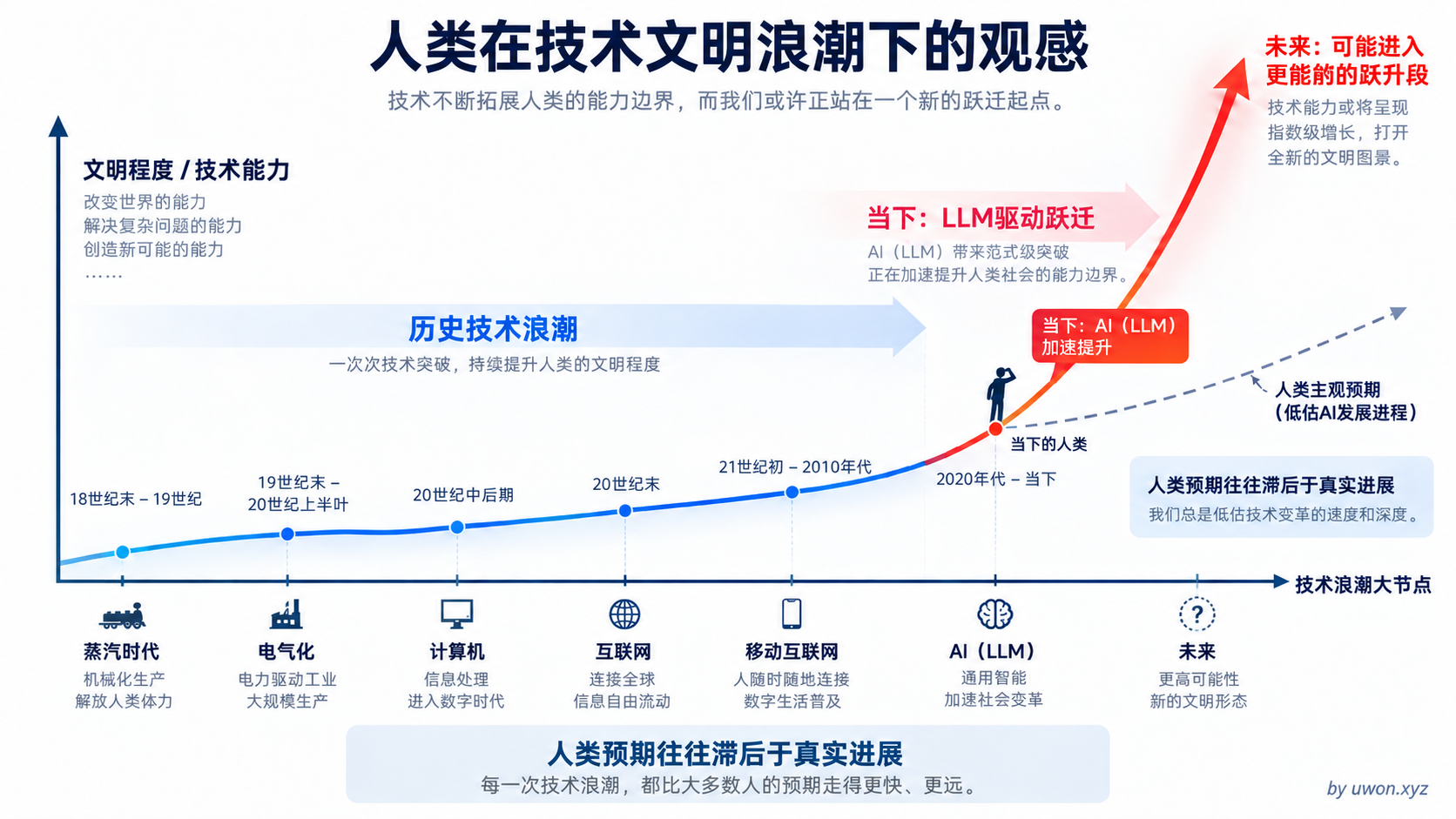
有趣的是,两派吵得越激烈,越指向同一个事实:AI 的能力曲线比大多数人的预期陡峭。历史上每一次技术浪潮——蒸汽、电气、计算机、互联网、移动互联网——大众预期都滞后于真实进展;LLM 驱动的这一波跃迁尤其如此。悲观情绪也许还有另一种读法:正因为人类对当前模型尚且解释不了,对其未来几年的能力上限才会如此不安——这种不安本身,可能正反映了我们对 AI 能力大跃进程度的普遍低估。真正该管理的不是恐惧或乐观的情绪站队,而是准备速度:安全工程、制度、教育与个人技能,能否追上曲线。
---
参考:宝玉微博·吴恩达访谈全文 / Leike 离职公开信 / FLI 公开信 / NYT·Hinton 专访 / a16z·Why AI Will Save the World(正文内均已附可跳转链接)。
The two camps have argued about AI for decades, but the technology is not what they disagree about. Precise interpretability of LLMs is still out of reach, and the resulting doubt about controllability cuts both ways: it may also mean we are badly underestimating how far AI capability jumps over the next few years.
01 / The pessimists: from outside warnings to insiders walking out
AI pessimism has never been absent, and the people raising the alarm have moved steadily inward. In 2015 they were co-signing the Pause Giant AI Experiments open letter. By 2023, Turing Award winner Hinton had left Google to warn in public. Bengio keeps returning to the same line: we cannot control things smarter than ourselves. The turning point came in 2024, when both leads of OpenAI's Superalignment team, Ilya Sutskever and Jan Leike, left. Leike said publicly that the company's safety culture had taken a backseat to shiny products, and the team was disbanded soon after. Co-founder Schulman moved to Anthropic to keep working on safety. Once the doomsday warning comes from the people who built this wave instead of from outsiders, pessimism stops being a fringe voice you can wave away.
02 / The optimists: fear narratives and regulatory capture
On the other side, Andrew Ng laid out a systematic rebuttal in a recent interview (full transcript in Chinese). Much of the fear messaging of the last two or three years, he argues, traces back to a handful of leading companies using regulatory capture to lock in an uneven playing field: spend a few billion dollars training a model and you hardly want anyone giving away open alternatives for free. The nuclear-weapons comparison has, in his words, no factual basis. His evidence is empirical. Break a job into tasks and AI handles roughly 30%–40% of them, with the rest complementary to it rather than replaced. Software engineering, the role with the most exposure, is seeing demand rise. He also names a human context advantage: years of accumulated tacit knowledge has no pipeline into the model, and that gap is the technical substance of judgment and taste. LeCun and Andreessen go further. LeCun treats the LLM as a step rather than a destination and thinks existential risk is overrated; Andreessen states flatly that AI will save the world.
03 / Where the split actually comes from: interpretability is out of reach
Put the two camps side by side and the consensus outweighs the disagreement. Both sides agree that LLMs are black boxes. Nobody can explain precisely why a model produced this sentence, or whether it will produce the same one next time. The optimists are betting on an engineering loop: deploy, measure, improve. Andrew Ng reaches for the airplane. A plane is never perfectly controllable and wind pushes it off course, yet flying is safe enough every day. The pessimists attack the premise of that loop. Every step of aviation rests on verifiable aerodynamics and engineering standards, while LLMs cannot even be attributed internally with precision, so the ruler you would use to decide what "expanding gradually in a controlled environment" means is itself blurry. The fear is not aimed at what AI can do; it is aimed at our inability to explain it precisely. Interpretability stays out of reach, and controllability you cannot be confident in follows directly. The line Leike left with, that we urgently need to figure out how to steer and control systems much smarter than us, is about that unfinished ruler.
04 / The bigger risk: underestimating the leap
The louder the two camps argue, the more they point at one fact: the AI capability curve is steeper than most people expect. In every previous technology wave, from steam and electricity to computers, the internet and mobile, public expectations lagged real progress. The jump LLMs are driving is no exception, and the lag runs wider. Pessimism also has a second reading. Precisely because we cannot yet explain the models we have, we are unsettled about where their capability ceiling sits a few years out. That unease may itself reflect how broadly we underestimate the size of the coming capability leap. What needs managing is not fear or optimism, not which emotional side you pick, but preparation speed: whether safety engineering, institutions, education and your own skills can keep up with the curve.
---
References: Baoyu on Weibo, full Andrew Ng interview transcript / Leike's public resignation letter / FLI open letter / NYT Hinton interview / a16z, Why AI Will Save the World. All are linked inline above.